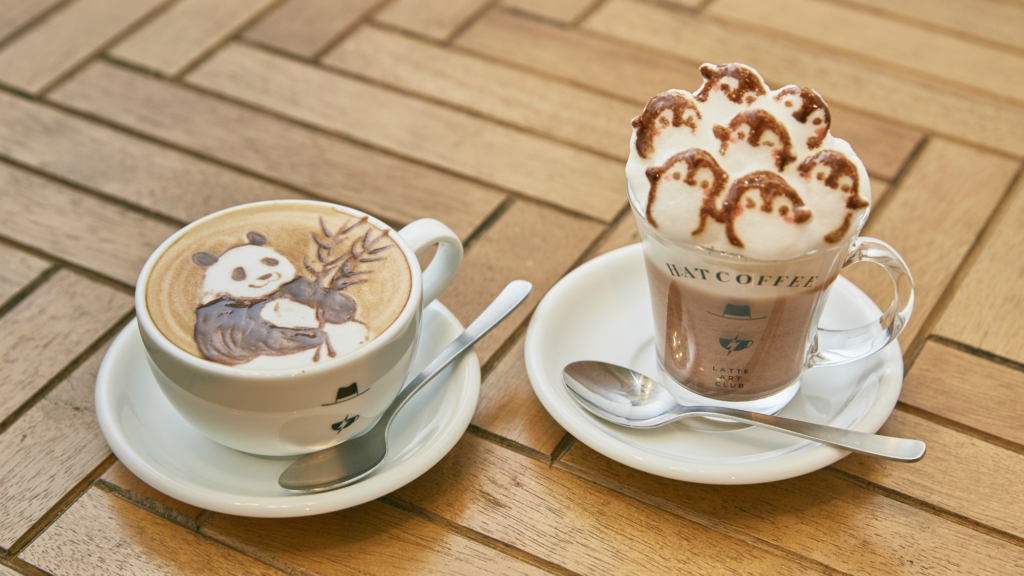
These days, you can find coffee pretty much everywhere in Japan. At convenience stores, in offices, at train stations and in vending machines on quiet, residential streets. You can drink coffee hot during the wintertime, iced during the summertime and pretty much any time of the day.The presence of coffee in your daily life has become very mundane and very much a part of everyday life.
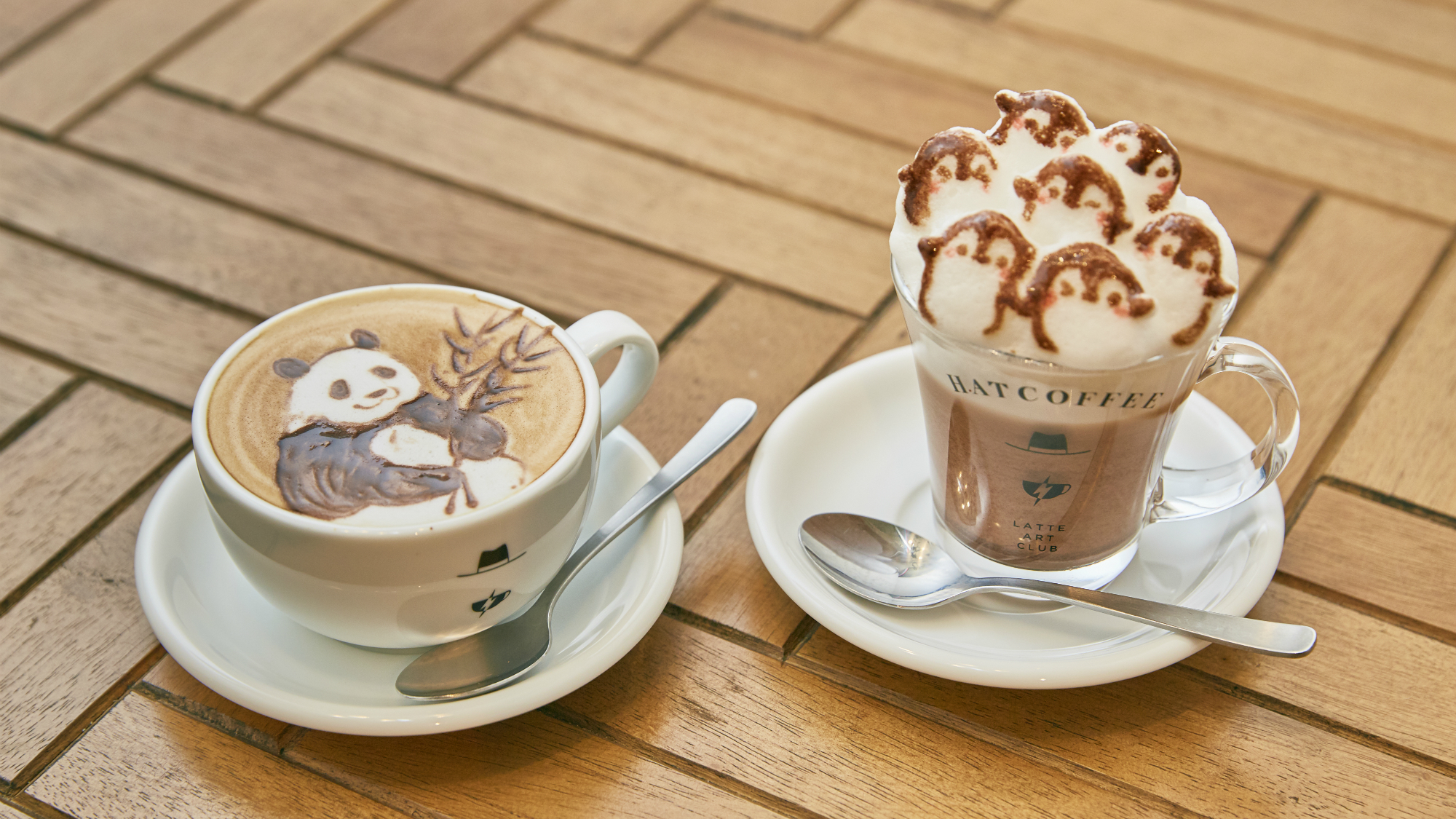
Historically, though, Japan has not always been a country that drank coffee. Up to the end of the millennium, Japan was not a coffee-drinking country. The experience of drinking coffee in Japan prior to that point was strange and bitter, and compared to traditional Japanese food was very culturally removed. Yet, over the last 30+ years, the Japanese coffee market has evolved into one of the most sophisticated, unique and vibrant coffee cultures in the world.
The change did not develop due to aggressive advertising or dramatic changes in lifestyle; rather, it has been the result of a deliberately planned long-term marketing campaign that focuses on taste, familiarity and habit-building through repeat consumption.
The Initial Challenge: Coffee Was Not Naturally Accepted
Tea drinking (green tea, roasted barley tea, and herbal infusions) has historically been central to Japan’s beverage culture. These drinks are light, familiar and come from long-standing traditions.
However, coffee presented many barriers:
– It is often bitter and has a taste profile that is not commonly enjoyed in Japan.
– Coffee was seen as an imported habit from the west and did not relate well to Japanese traditions of liberal beverage consumption.
– Generally, coffee was thought of as a less ‘adult’ or less ‘niche’ beverage.
In summary, selling coffee in Japan required a different type of experience than selling it in North America or Europe; Japanese coffee consumers did NOT need information about coffee; they needed a different way to experience coffee.
The Strategic Shift: Redesign the Experience, Not the Product Story
Japan’s beverage culture has traditionally revolved around tea drinking (green tea, roasted barley tea, herbal infusions). The lightness of these drinks, along with their long-standing history, make them comfortable beverages within Japan.
On the contrary, coffee was challenging due to several factors
– The bitter taste of coffee is not enjoyed by many people in Japan, so there was an unfamiliarity with coffee among Japanese people.
– Coffee in Japan was viewed as a western import and did not have a connection to the Japanese tradition of liberal beverage consumption.
– While many people see coffee as a more ‘adult’ or niche beverage globally, it received the opposite response from Japanese coffee drinkers.
In conclusion, the Japanese consumer experience of coffee differs significantly from the North American and European coffee experience, so educating the Japanese consumer about coffee is not beneficial to them but finding ways for them to experience coffee differently is.
Flavor Familiarity and Habit Formation
The method worked well due to one of the basic tenets of consumer psychology; people choose to purchase from what seems familiar.
By continually serving a softer sweeter taste of coffee, we were able to create a sense of familiarity; decreasing resistance over time:
– Coffee no longer had an unfamiliar taste.
– The bitterness of coffee became tolerable.
– The coffee became emotionally neutral and ultimately positive.
As consumers aged, it felt a natural progression to reduce or eliminate their sugar and milk with their coffee and to drink dark roasted coffee or espresso without having to relearn any of the foundational reasons why they were consumed by coffee were essentially the same.
Therefore, preference is not mandatory; rather, preference evolves over a period of time.
Distribution as a Core Marketing Lever
Taste alone could not create a national habit. Accessibility had to reinforce it.
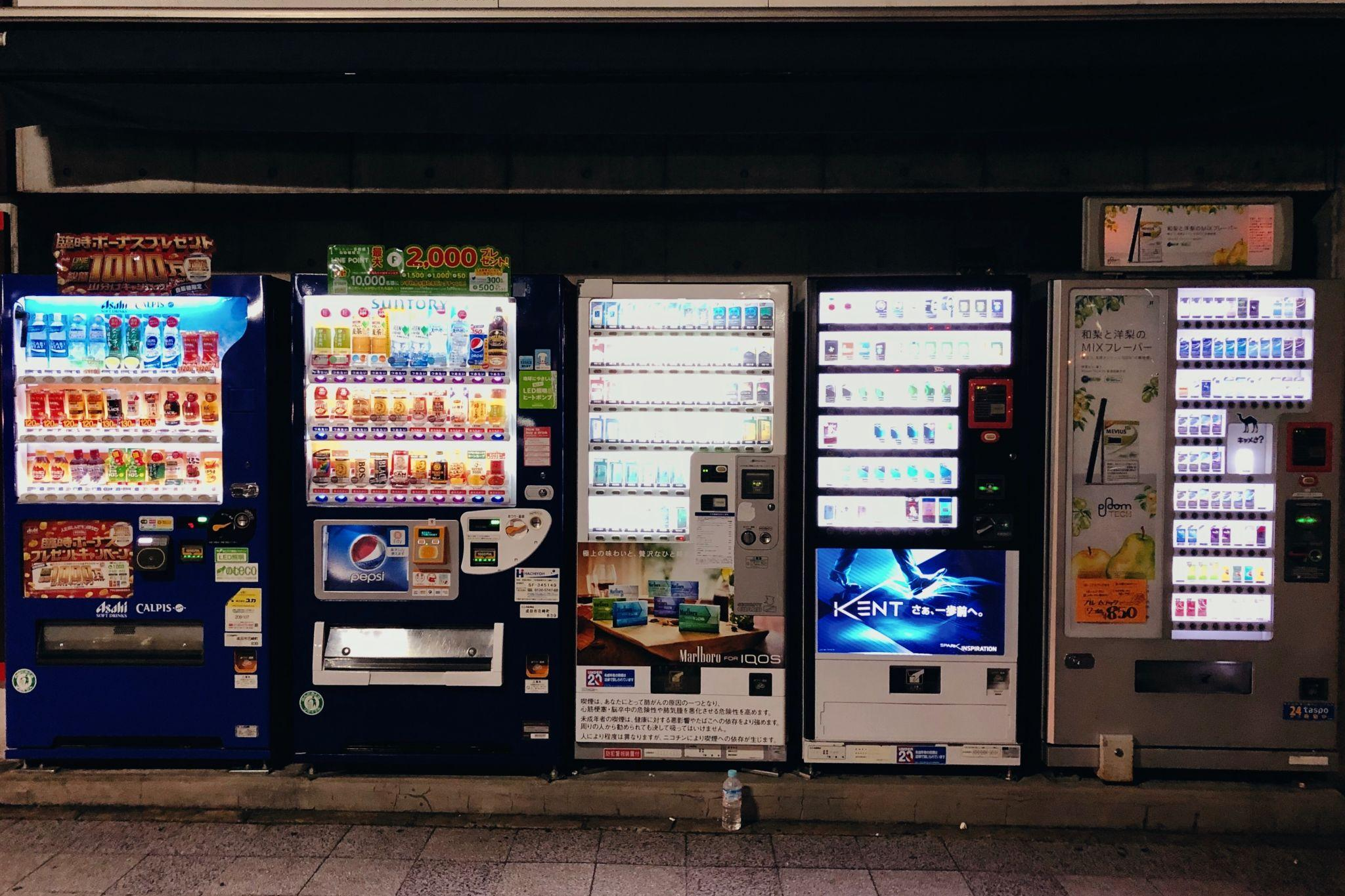
Japan’s dense vending machine network played a central role in normalizing coffee consumption. Coffee became:
- Available everywhere
- Easy to purchase
- Consistent in quality
- Free from social or cultural friction
Sold in compact cans, coffee required no preparation, no equipment, and no learning curve. Consumers didn’t need to understand brewing methods or café etiquette. They simply picked a can and moved on.
This level of convenience reframed coffee from a specialty beverage into a daily utility.
A Long-Term Market Creation Strategy
What makes this story remarkable is its timeline.
This was not a campaign designed to show immediate results. It was a multi-decade strategy focused on:
- Gradual taste adaptation
- Repeated low-friction exposure
- Cultural normalization
Brands accepted that early versions of coffee would not represent the “ideal” product. They prioritized long-term adoption over short-term perfection.
By the time premium cafés, specialty blends, and black coffee gained popularity, the habit was already deeply embedded. Coffee no longer needed explanation because it was already part of everyday life.
Why This Marketing Strategy Worked
Several strategic principles made this approach successful:
- Lower the entry barrier before refining the product
Adoption comes before sophistication. - Design for familiarity, not purity
Consumers accept what feels emotionally safe. - Use availability to reinforce behavior
Habits form faster when access is effortless. - Think in decades, not quarters
Cultural change requires patience and consistency.
Lessons for Modern Marketers
This strategy is highly relevant today, especially for brands introducing new behaviors, products, or categories.
You see the same pattern in:
- Protein drinks that taste like desserts
- Energy drinks marketed as lifestyle products
- Fintech apps designed to feel like games
- AI tools positioned as assistants rather than technology
In every case, success comes from reducing friction and building familiarity first.
Final Thought: The Power of Subtle Marketing
Japan didn’t become a coffee-drinking nation because people were convinced to like coffee. It happened because coffee was quietly woven into daily routines in a form that felt approachable and familiar.
The real lesson for marketers is simple but powerful:
You don’t change behavior by pushing harder.
You change behavior by making adoption easier.
Sometimes, the most effective marketing strategy is not the loudest one but the most patient.
