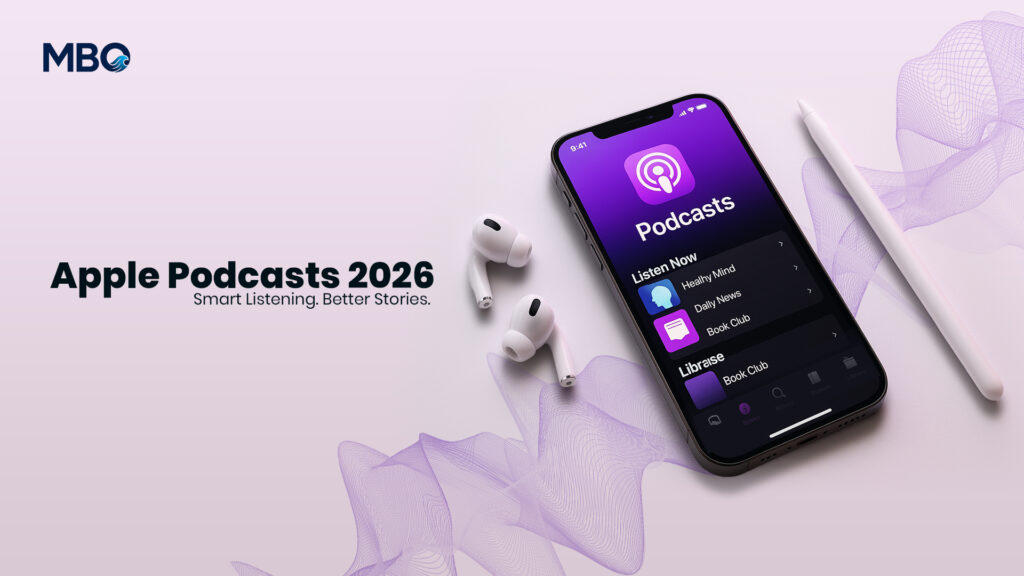
If you’ve been listening to podcasts for a while, it’s wild to think how far Apple Podcasts has come. What started as a small corner of iTunes—basically a directory of downloadable shows, has turned into one of the biggest platforms in the world for storytelling and conversation.
In 2025, Apple Podcasts isn’t just an app you open on your phone; it’s become part of daily life for millions of people. Whether it’s during a morning commute, a workout, or late at night when you just want to unwind, Apple’s clean design and seamless syncing across devices make it feel like your favorite voices follow you everywhere.
What stands out most is how personal it feels now. The app quietly learns your habits, what topics grab your attention, and which episodes you skip halfway through, and it starts surfacing shows that actually fit your interests. That kind of personalization used to sound futuristic, but today it’s just how podcasting works.
The Evolution of Apple Podcasts
When Apple added podcasts to iTunes back in 2005, no one really saw what was coming. Back then, it was niche, mostly tech talk shows, indie creators, and a handful of radio networks experimenting with the new “on-demand audio” format.
Fast forward two decades, and podcasting is a global phenomenon, and Apple has been there the whole way. The platform evolved from a simple catalog into a fully integrated experience that blends curation, analytics, and AI-driven discovery. Millions of shows now stream across more than 100 languages, and Apple’s focus on accessibility and simplicity has kept it approachable even as the ecosystem exploded.
As the industry matured, Apple introduced tools like channel subscriptions, creator analytics, and AI-based recommendations, giving independent podcasters the same kind of reach that only major studios once had. That balance between big networks and small voices is part of what’s kept Apple relevant in a competitive field.
Why Apple Podcasts Continues to Lead the Audio World
There’s a reason Apple Podcasts still sits at the top of the audio food chain in 2025, even with fierce competition from Spotify, YouTube, and Amazon. It’s not about who has the most shows, it’s about the experience.
For starters, Apple has nailed personalization. The “Listen Now” tab actually feels like it knows you. It quietly learns what you tend to play through to the end, what you skip, and what topics seem to hook you. The result isn’t some pushy algorithm, it’s more like a thoughtful assistant that gets your mood.
Then there’s Apple Podcasts Subscriptions, which gave creators a real way to earn a living. Whether it’s ad-free listening, bonus episodes, or early releases, these small perks have helped turn podcasting into a sustainable profession instead of a passion project. It’s one of the few places where indie creators and big networks both thrive without feeling like they’re competing for the same spotlight.
And of course, Apple’s ecosystem advantage is hard to ignore. You can start an episode on your iPhone, keep listening on your MacBook, and finish it in your car through CarPlay, all without lifting a finger. The syncing just happens. That’s the kind of detail that doesn’t make headlines but quietly keeps people loyal.
Finally, Apple’s editorial touch matters. The human curation, the “New & Noteworthy” lists, the themed collections, and the regional spotlights still feel handcrafted in a world drowning in algorithmic recommendations. It’s not perfect, but it’s thoughtful, and that makes a big difference.
Apple Podcasts vs Other Streaming Platforms
Now, let’s be real: Apple isn’t the only game in town. Spotify, YouTube, and Amazon have been aggressively expanding their podcast presence. But each platform has its own personality, and Apple’s feels distinctly calmer.
Spotify pushes playlists, ads, and music-podcast blends. YouTube leans on visuals and community engagement. Amazon is building its audio empire around Alexa. Apple, though, has doubled down on something simpler, clarity.
When you open Apple Podcasts, you’re not hit with noise. The interface is clean, the playback is smooth, and there’s a focus on storytelling over commercialization. You’re not constantly interrupted by ads or “recommended” distractions. It feels like a place made for listening, not multitasking.
And perhaps most importantly, Apple’s privacy-first philosophy still resonates. In a time when every app wants your data, Apple makes a point of keeping your listening habits yours. That might not sound flashy, but it’s the kind of trust that keeps users long-term.
Empowering Creators Through Apple Podcasts Connect
If you’re a podcaster, Apple Podcasts Connect is your control center. It’s where you upload episodes, track analytics, and engage with your audience—all within Apple’s ecosystem. What used to be clunky and opaque is now streamlined and surprisingly intuitive.
The data insights are genuinely useful: completion rates, listener demographics, and retention trends. For creators trying to understand what sticks and what doesn’t, this kind of feedback is gold.
And monetization has become more creator-friendly too. Subscriptions, sponsorship tools, and Apple’s Partner Program have opened up new revenue streams. Creators can earn while keeping ownership of their content, something not every platform guarantees.
In short, Apple has built a system that respects both sides of the equation—the people who make podcasts and the people who love listening to them.
Top Trends Shaping Apple Podcasts in 2025
The next wave of podcasting is already here, and Apple’s leading much of it. A few trends stand out:
- AI-Generated Transcripts and Subtitles: Accessibility has gone from being a bonus feature to a baseline expectation. Every episode now comes with searchable, high-quality transcripts, great for listeners and SEO alike.
- Interactive Listening: Podcasts aren’t just one-way conversations anymore. Some shows let listeners vote in polls, answer quizzes, or join live discussions directly in the app.
- Localization and Global Reach: Apple is finally taking regional content seriously, surfacing local shows in local languages, not just English-first content.
- Celebrity and Brand Collaborations: Big names and big brands are bringing new energy to the scene. Love it or not, it’s pulling new audiences into podcasting who might not have tried it otherwise.
Apple’s approach here is subtle, it doesn’t reinvent the wheel, but it quietly polishes it. The company’s strength has always been taking something existing and making it feel inevitable.
The Business Behind Apple Podcasts
Of course, all this innovation feeds into Apple’s bigger play: services. The global podcasting market is projected to top $30 billion by 2028, and Apple clearly wants a slice of that. Between subscriptions, ad integrations, and premium offerings, podcasts are now a real contributor to Apple’s ecosystem revenue.
But it’s not just about the money. The more people use Apple Podcasts, the deeper they get pulled into Apple’s hardware and software universe. The synergy is brilliant—your shows sync with Siri, CarPlay, the Watch, and even your HomePod. It’s all designed to make the Apple experience feel seamless and sticky.
For creators, that means access to an engaged, high-value audience. For listeners, it means better production quality and more choice. Everyone wins or at least, that’s the idea.
Getting Started with Apple Podcasts
If you’re new to podcasting, Apple makes it pretty easy to jump in.
Listeners can just open the app, browse trending shows, follow a few favorites, and ask Siri to play the latest episode hands-free. You can even download episodes for offline listening when you’re traveling or trying to save data.
Creators, on the other hand, can use Apple Podcasts Connect to upload their shows, verify ownership, and publish globally within days. It’s as plug-and-play as it gets but still professional enough to scale as you grow.
Conclusion: Why Apple Podcasts Will Continue to Dominate Audio Streaming
In a world overflowing with content, Apple Podcasts has managed to stay both relevant and reliable. It’s not the flashiest platform, but it’s one that respects its users’ time, privacy, and creativity.
Podcasting in 2025 isn’t just about listening, it’s about connection. Whether you’re catching up on your favorite series, discovering a new voice, or sharing your own story, Apple’s tools make it all feel personal. That, more than any feature or update, is what keeps people coming back.
Because at its heart, Apple Podcasts isn’t just a product, it’s a reminder that stories still matter and that in the noise of digital life, there’s still room for a good conversation.