Hype marketing is everywhere. It’s what brands chase and what fans crave. It drives people to buy things they don’t even need. Welcome to the noisy, chaotic, emotional world of hype marketing. Feeling a sense of belonging is more important than merely making sales. It’s about wanting, waiting, sharing, clicking, and rushing right now, not tomorrow.
If you’ve ever queued for a sneaker drop, counted down to a product launch, or watched a brand’s teaser video repeatedly, you know what I mean. And trust me, you’re not alone. Hype marketing is pervasive and powerful, and brands are reaping the rewards.
So, what exactly is hype marketing? At its core, it’s about creating buzz. It’s about making noise and generating a sense of urgency that compels people to act before they miss out. It plays on our psychology, scarcity, exclusivity, and anticipation. Its emotional marketing taken to the next level.
But don’t confuse hype marketing with traditional advertising. Traditional marketing says, “Here’s our product. Please consider it.” Hype marketing, on the other hand, shouts, “You’ll regret not getting this! Everyone wants it, hurry!”
It’s short-term, high-energy, and focused on capturing attention through launches and memorable moments.
How Hype Marketing Spins Like a Flywheel
Let’s get real. Hype marketing isn’t just random noise. It’s not merely about being the loudest voice in the room. It’s all about building momentum, and that momentum operates just like a flywheel, it gains speed the more energy you invest in it.
This flywheel keeps turning because each stage propels the next one forward. It’s not about a single drop or a one-off campaign. Each phase generates momentum, fosters community, and adds cultural value, creating an ongoing cycle of excitement.
Traditional marketing? Think of it as a funnel. Leads trickle in, some slip away, and a handful of customers emerge at the end. Start, stop, and repeat.
Hype marketing? It’s a loop. A cycle. A self-sustaining machine.
Here’s how the Flywheel operates in Hype Marketing:
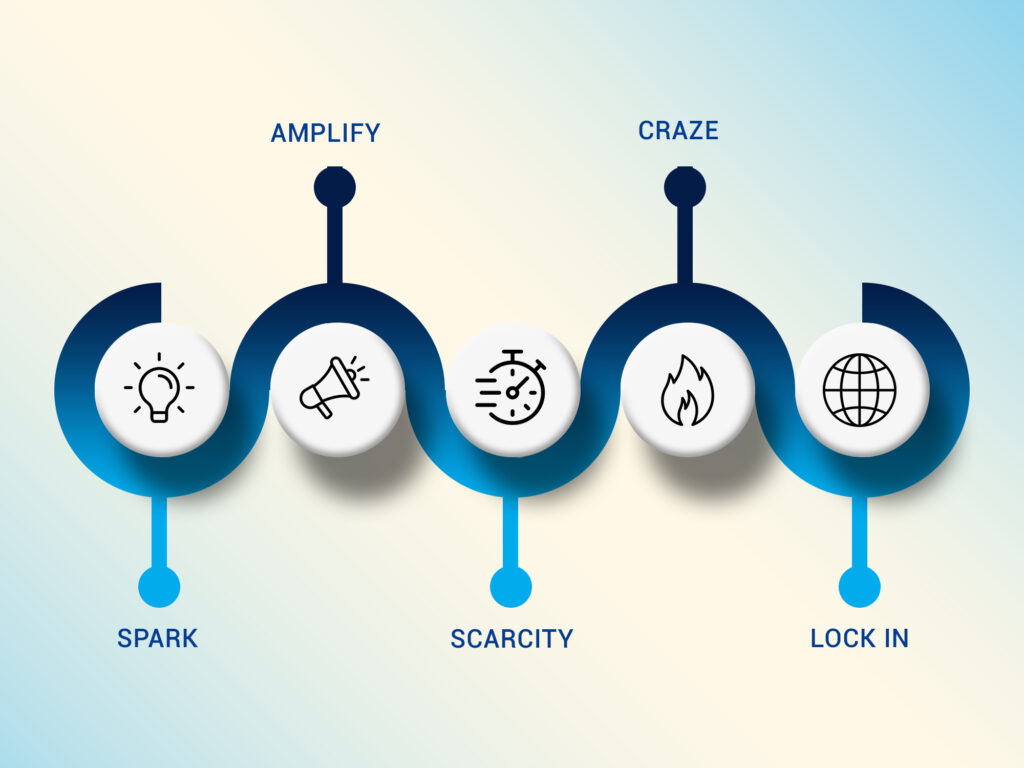
1️. Spark the Interest.
It all begins with a small spark. A teaser. A leak. An influencer hinting, “Something’s on the way.” People start buzzing. Curiosity builds. This is your initial push.
2️. Amplify Through Social Buzz.
Once the chatter starts, more voices join in. Social media goes wild. Influencers, fans, and communities amplify the excitement. Now everyone’s paying attention. The energy escalates.
3️. Scarcity + FOMO Kicks In.
Drops occur. Limited stock. Items sell out quickly. People rush to buy because they don’t want to miss out. This sense of scarcity adds more momentum to the wheel.
4️. Secondary Craze Fuels the Fire.
Sold out? Now the resale market ignites. Prices soar. Fans showcase their finds. Others feel left out. The hype spirals beyond the brand’s control.
5️. Cultural Lock-In.
At this stage, it’s not just about the products anymore. It’s about identity, community, and status. People become entrenched because it’s now part of who they are. They’re eagerly waiting for the next drop.
The Psychology Behind Hype Marketing: Why It Works So Well
Humans have an innate desire for what they believe they can’t have. This instinct is rooted in our survival behavior. When something is scarce, it becomes more desirable, and urgency drives us to act quickly. Social proof reinforces this, showing us that if others care, we should too.
This is why hype marketing is so effective: limited editions are hard to find, countdown clocks create excitement, and sold-out signals heighten the urgency. Take VIP access, for example; it’s all about the benefits of being first in line. Flash sales create a sense of urgency with “last chance!” emails and timely releases, while influencers showcasing products provide social proof that drives interest.
Action stems from the convergence of these feelings. Consumers seek more than just a product; they yearn for a sense of belonging to something extraordinary, something unique, something meaningful.
The Evolution of Hype Marketing: From Teasers to Trendsetters
Hype marketing isn’t a recent concept. If we look back at past decades, we see that movie premieres, toy launches, and book releases have always taken place at midnight. This has been a long-standing practice.
Today’s platforms that drive hype marketing include:
- Instagram (stories, countdowns, influencer reveals)
- TikTok (viral challenges, unboxing, trends)
- YouTube (teasers, reaction videos, leaks)
- Twitter/X (cryptic tweets, hashtags, memes)
This has evolved beyond mere advertising; it has become a cultural phenomenon.
How Top Brands Used Hype Marketing to Break Through (2024–2025)
Prime – From Viral Fame to Fading Relevance
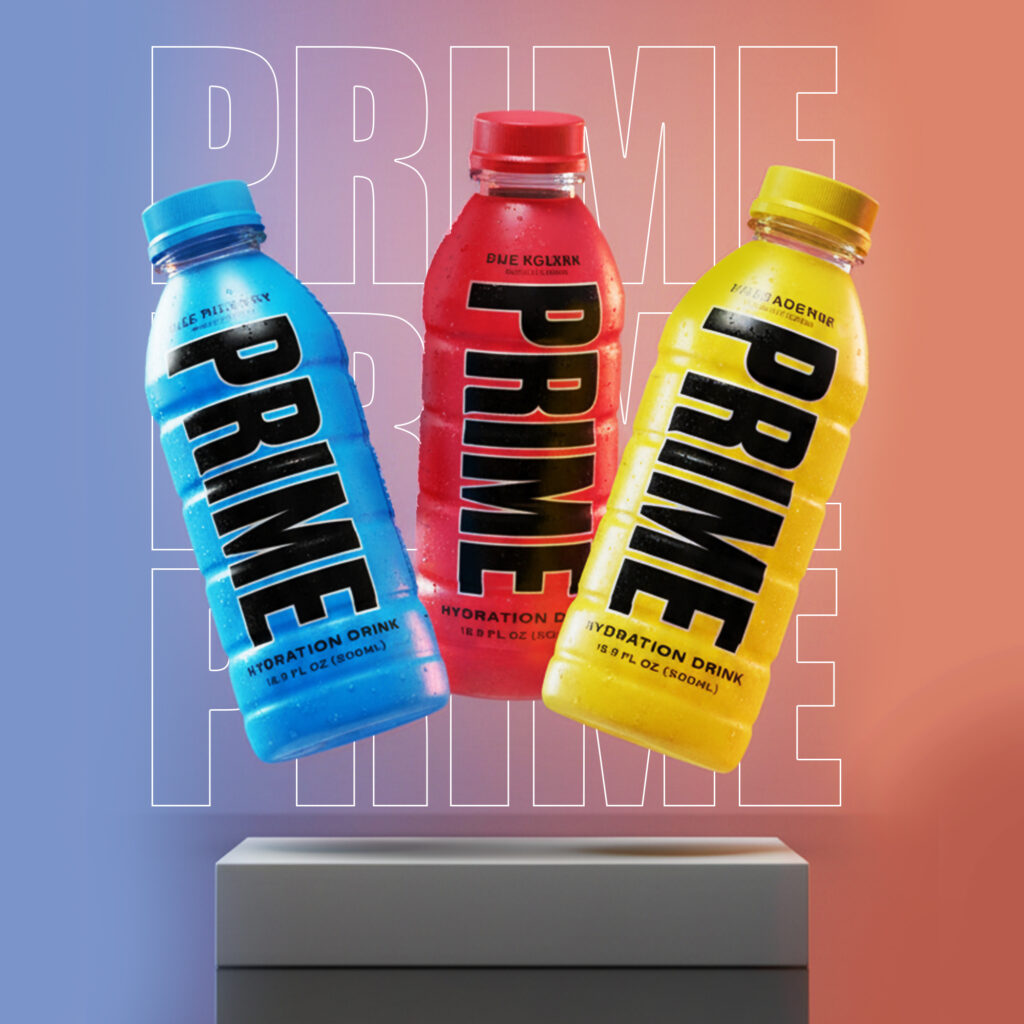
Prime Hydration burst onto the scene as a prime example of modern hype marketing success—at least for a time. With Logan Paul and KSI backing it, Prime became more than just a drink; it turned into a cultural icon. The frenzy was driven by scarcity, with shelves emptied within hours. Resellers flipped bottles at outrageous prices. Thanks to TikTok challenges, influencer excitement, and a sense of viral scarcity, Prime appeared unstoppable.
Prime earned almost $1.2 billion globally in 2023. However, the excitement proved fragile. By 2024, there were indications of burnout, as revenues in the UK fell by an astounding 70%, from £120 million to £33 million. The first half of 2024 also saw a 40% decline in U.S. sales.
What went wrong? Oversaturation diminished the allure. There were too many flavors and too many restocks, leading to the collapse of the scarcity narrative. Health concerns began to surface, and consumers realized this was no longer a rare treat.
On the shelf, it looked like just another bottle. But the resale market? It plummeted by 60% between 2024 and 2025. Prime had leaned too much on fleeting viral tactics without building lasting emotional connections, leading to the collapse of its hype bubble.
Labubu: From Collector Addiction to Exhaustion
The rise of Labubu is a perfect example of hype marketing. Pop Mart’s clever and quirky collectible character drove the company’s explosive growth to $1.8 billion in 2024. “Labubu wasn’t merely a toy — it became a piece of art, a cultural phenomenon, an identity.”
A pivotal moment? When Lisa from BLACKPINK was seen casually holding a Labubu toy during a fan meet in 2023, she inadvertently sparked a global trend. The internet took notice—and within hours, fan pages and fashion blogs were buzzing. Pop Mart’s sales soared, TikTok exploded with #Labubu, and just like that, a viral collectible trend emerged.
From there, Pop Mart rapidly ascended the hype ladder. Fashion collaborations, blind boxes, and surprise drops all screamed exclusivity. Online, fans eagerly lined up. Social media unboxing went viral. The allure of scarcity fueled addiction.
The brilliance? The blind box strategy. You never knew what you’d get. That uncertainty kept collectors hooked, always on the hunt for that elusive rare piece. But by mid-2025, signs of trouble began to appear. Pop Mart became greedy. An oversupply flooded the market. What was once rare turned too common. Resale values dropped by 35%. Casual collectors moved on. The hype deflated. Unlike Prime’s dramatic downfall, Labubu’s bubble gently softened and returned to its niche—still cherished by devoted fans, but no longer ubiquitous. The takeaway? Even the most clever hype marketing fades when scarcity disappears.
Stanley Cup: How Hydration Turned Into a Flex
Stanley Cups transformed from practical hydration tools into trendy lifestyle icons. Thanks to influencer trends, pastel colors, and social media buzz, Stanley became more than just a bottle; it became a part of identity. TikTok moms, wellness influencers, and “What’s in my Stanley?” content were everywhere, all the time.
The limited color options, seasonal releases, and quick restocks created a sense of scarcity. Stanley became synonymous with fashion, wellness, and community, merging hydration with lifestyle and desire. Unlike Prime or Labubu, Stanley avoided burnout by balancing scarcity with ongoing innovation. It became part of daily routines, including yoga, exercise, and self-care. It wasn’t just a purchase; it turned into a habit. The marketing hype remained strong because Stanley connected its identity to a lifestyle rather than just a passing trend.
Fidget Spinners: A Cautionary Tale in Viral Hype
Few things illustrate the pitfalls of short-lived hype marketing like fidget spinners. In 2017, they were everywhere—offices, schools, TikTok, and YouTube. Sales skyrocketed to $500 million globally in just a few months. Everyone wanted one, but that enthusiasm quickly faded. Fidget spinners shone brightly but briefly. There was no brand loyalty, community, or culture to support the hype—just a viral surge. As schools banned them and interest waned, the novelty wore off, and retailers struggled to give them away by fall. The takeaway? Hype alone isn’t sufficient. Without a story, culture, or emotional connection, even the most exciting trends can fizzle out.
Air Jordans: How to Keep the Hype Alive
In contrast to Prime, Labubu, or fidget spinners, Air Jordans have mastered the art of sustained hype marketing. Scarcity is carefully managed, with limited drops. The resale market remains robust, and the Jordan brand accounted for 14% of Nike’s sales, generating $7 billion in revenue in 2024 alone.
The secret? An emotional connection. The cultural essence of Jordans is deeply intertwined with their history, sports, music, and fashion. New releases build on this legacy, while collaborations with artists like Travis Scott and brands like Dior ensure the brand’s continued relevance. Nostalgic reissues from the past further enhance their appeal. Jordans are more than just sneakers; they embody a legacy, identity, history, and culture. While the hype surrounding other products may fade, Air Jordans maintain their timeless appeal due to their controlled scarcity, cultural significance, and strong emotional ties.
Final Takeaway: What We Learn from Hype Winners and Losers
These stories illustrate that the success of hype marketing relies on more than just going viral. Prime faltered due to oversupply and lost its relevance. Labubu overwhelmed its audience. Fidget spinners lacked substance from the start. In contrast, brands like Supreme, Stanley, and Jordan demonstrate that the key to lasting hype lies in scarcity, cultural connection, community, and emotional storytelling. Without these elements, hype fizzles out. With them, hype flourishes.
How Small Brands Can Apply Hype Marketing:
1. Build excitement weeks in advance, not days.Before launching, begin sowing seeds. Post teaser content about what’s coming — maybe even just a vibe or an emotion. Don’t drop all the details at once. Curiosity builds momentum.
2. Use stories, reels, and countdowns. Instagram, TikTok, or YouTube Shorts can help create visual anticipation. Short clips, behind-the-scenes snippets, and subtle hints go a long way. Create a launch countdown—and stick to it.
3. Partner with micro-influencers. You don’t need big celebrities. Work together with specialized influencers who have devoted followings. Their recommendations feel more personal, and engagement is usually stronger.
4. Connect giveaways to the dates of launch. Provide contests or early-bird benefits linked to product announcements. Limited-time giveaways trigger urgency—and build a buzz around what’s next.
5. Engage with your followers. Ask questions, share sneak peeks, and run polls. Make your community feel part of the creation. When they’re involved, they’re invested.
6. Create exclusivity (even if it’s subtle). Label it a “limited run.” Open sales for 48 hours. Drop only 50 units. Even if the supply isn’t actually scarce, the feeling of urgency matters.
Even with a tiny following or small list, hype marketing is about emotion, community, and anticipation. When done correctly, it makes your clients become brand ambassadors.
Why Hype Marketing Works So Well in 2025
People are bored. They’re scrolling and searching for something engaging to discuss, share, or experience as an event. Hype marketing turns ordinary product launches into cultural phenomena. A product drop can spark global conversations, and a teaser can lead to trending hashtags. It resonates because people are drawn to stories filled with drama and suspense. In a world full of options, hype manages to stand out.
Key Ingredients of a Successful Hype Marketing Campaign
Not every attempt at creating hype succeeds. Some fall flat due to bad timing, poor communication, or overpromising. Successful campaigns usually excel in the following areas:
- Mysterious imagery: Blurry visuals with vague captions like “Coming Soon.” No clear answers, just hints that pique curiosity.
- The Power of Influencers: Micro-influencers ignite conversations. Their posts can create a ripple effect.
- Community Involvement: Sneak peeks, beta invites, competitions, and user-generated content (UGC) foster participation.
- Timed Urgency: Countdown clocks and early bird offers drive action. Once it’s gone, it’s gone.
Advantages of Hype Marketing (Why the Hype Is Worth It)
- Instant visibility: Everyone is watching and talking.
- Quick revenue: A well-executed hype campaign can lead to a significant boost in sales, often within days.
- Brand loyalty: Insiders feel a sense of belonging and are likely to return.
- Media attention: YouTube reviews, blogs, and headlines thrive on excitement.
- Organic reach: People share what brings them joy. It’s like free advertising.
Frequently Asked Questions About Hype Marketing
1. What sets traditional marketing apart from hype marketing?
Traditional marketing focuses on providing information, while hype marketing is all about excitement. Education unfolds gradually, but hype ignites action quickly.
2. Is hype marketing suitable for B2B?
Absolutely, though it’s less common. B2B companies can create buzz through product launches, webinars, and significant updates.
3. What’s the ideal length for a hype campaign?
Typically, 2-4 weeks works best. It’s long enough to generate interest but short enough to avoid fatigue.
4. Which industries benefit most from hype marketing?
Fashion, technology, gaming, entertainment, and lifestyle sectors thrive on trends and excitement.
5. What are the biggest risks of using hype marketing?
The biggest danger? Overhyping and underdelivering. When a brand promises more than it delivers, trust takes a hit. Also, if scarcity becomes artificial or too repetitive, customers burn out. A popped hype bubble can damage your brand’s long-term reputation—fast.
Conclusion: Creating Emotion, Building Desire, Sparking Action
Hype marketing goes beyond just selling; it’s about crafting stories that resonate. It’s not about being the loudest; it’s about drawing people in, evoking emotions, and creating desire. The aim is to spark feelings quickly, urgency, excitement, and curiosity. This approach taps into our human instincts.
The core principles apply whether you’re a small business or a global brand: Tease, Engage, reward, and Deliver. A touch of mystery and a bit of noise can make a significant impact in today’s bustling marketplace.
So, what are you waiting for? Get excited, create your buzz, and watch how focus leads to action.
For a deeper look at how future-ready brands use AI and emotional intelligence together, check out my guide on Quantum Marketing.