Introduction: The Hardest Thing About Building a Startup Isn’t the Product
Ask any founder what keeps them up at night, and most of them won’t say “building the product.” They’ll say “getting customers.”
And honestly? That makes complete sense.
You can have the most innovative product in the world, a slick website, a great team — and still hear crickets. Because building something great and getting people to buy it are different challenges.
Customer acquisition is the lifeblood of any startup. Without a steady, scalable flow of new customers, even the best ideas run out of runway. And in 2026, more startups launching than ever before, standing out is harder. Also more achievable than it’s ever been, if you know where to focus.
This guide breaks down the most effective customer acquisition strategies for startups. The ones that actually work, without requiring a massive budget or a team of 50 marketers.
What Is Customer Acquisition (And Why Startups Get It Wrong)?
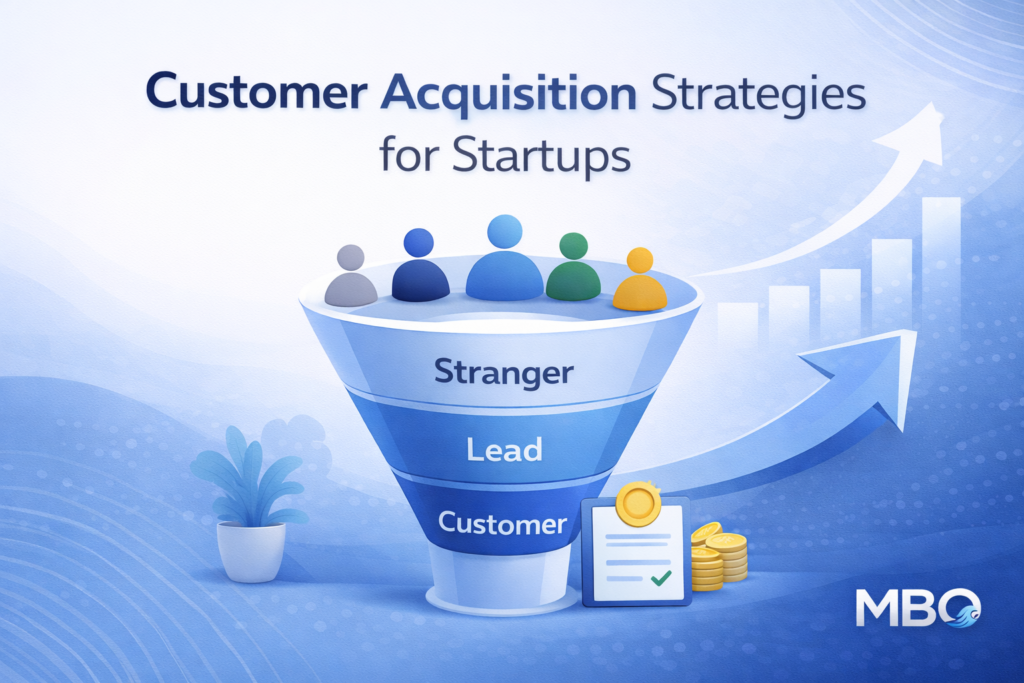
Customer acquisition is simply the process of bringing new customers to your business. But it’s more than just running ads or posting on social media. It’s a system — one that moves a complete stranger from “never heard of you” to “just paid you.”
Most startups get customer acquisition wrong for one of these reasons:
- They try too many channels at once and master none of them
- They focus on vanity metrics (followers, likes, impressions) instead of actual conversions
- They spend on paid ads before validating their offer organically
- They have no clear ideal customer profile (ICP) — they’re marketing to everyone, which means they’re marketing to no one
- They underestimate how long it takes to build trust with a cold audience
The good news? Every one of these mistakes is fixable. Startups that crack customer acquisition early are the ones that grow fast.
Step 1: Define Your Ideal Customer Profile (ICP) Before Anything Else
Before you spend a single rupee on marketing, you need to know exactly who you’re trying to reach.
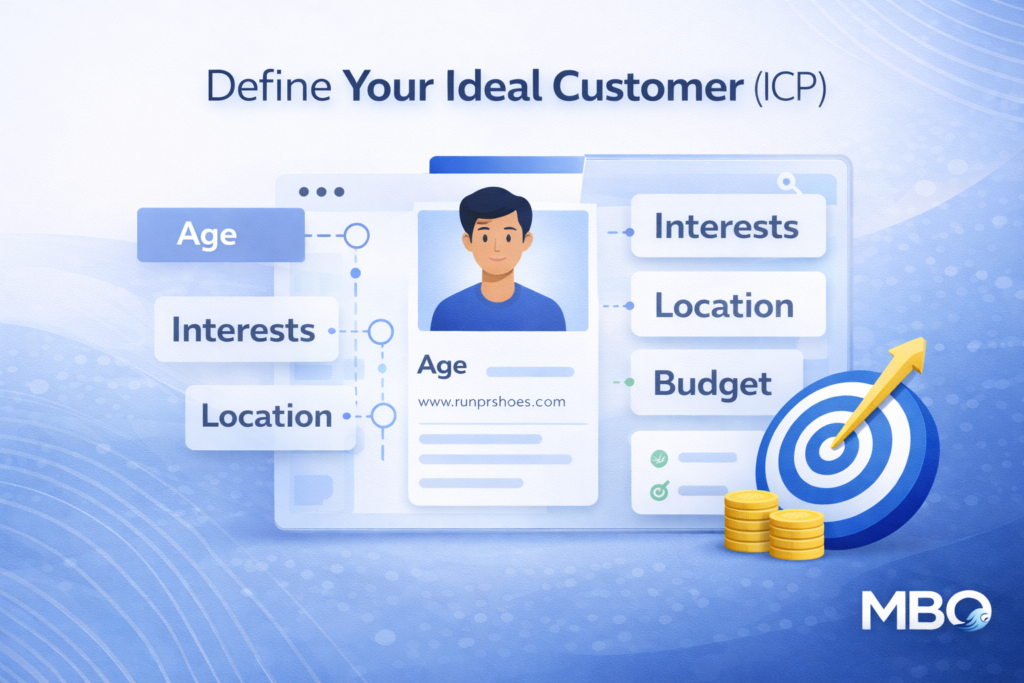
Your Ideal Customer Profile (ICP) is a detailed description of the type of customer who:
- Has the problem your product solves
- Has the budget to pay for your solution
- Is likely to stick around and become a loyal customer
- Will refer others to you
Questions to Define Your ICP:
- What industry or niche are they in?
- What is their age, location, income level, and job title?
- What problem are they desperately trying to solve?
- Where do they spend their time online?
- What objections do they have before buying?
- What do they read, watch, and follow?
Getting this right changes everything. When you know exactly who you’re talking to, all your content, ads and email becomes more effective. Without it, you’re guessing and guessing is expensive.
The Top Customer Acquisition Strategies for Startups in 2026
1. Content Marketing and SEO — The Long Game That Pays Forever
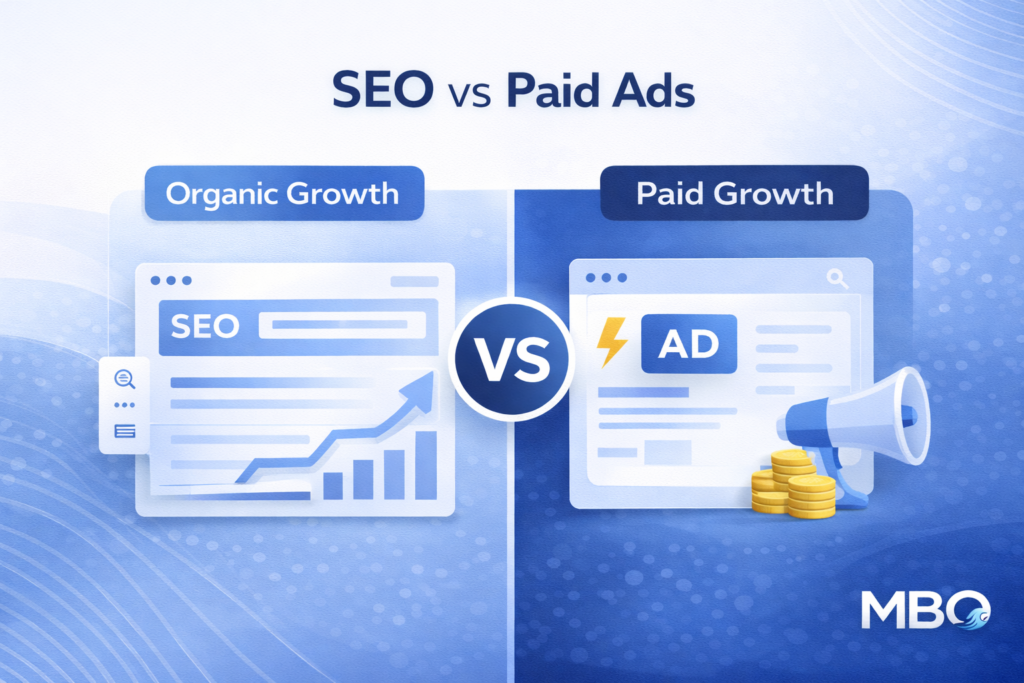
For customers to find you oraganically content marketing combined with SEO.
Here’s how it works: you create genuinely useful content. Such as blogs, guides, videos and tools. These should be answering the questions to your potential customers. Google rewards that content with rankings. Rankings bring free, consistent, high-intent traffic. That traffic converts into leads and customers.
Why it works for startups:
- Low upfront cost compared to paid advertising
- Builds trust and authority over time
- Compounds — a blog written today can bring leads for years
- Attracts customers who are already looking for your solution
How to get started:
- Identify 10–15 keywords your ideal customers are searching for
- Create in-depth, genuinely helpful content around each topic
- Optimise your website pages for speed, mobile, and on-page SEO
- Build backlinks by getting mentioned in industry publications and directories
- Stay consistent — SEO takes 3–6 months to show results, but the payoff is massive
For example: a fintech startup targeting freelancers write like “How to File GST as a Freelancer”. People searching those terms are exactly who they want to reach and now they’re landing on the startup’s website for free.
2. Performance Marketing (Paid Ads) — Fast Results When Done Right
When you need customers now — not six months from now — paid advertising is the accelerator.
Platforms like Google Ads, Meta Ads (Facebook and Instagram), and LinkedIn Ads let you put your offer in front of highly targeted audiences almost immediately. The catch? You need a clear offer, a tested landing page, and enough budget to gather meaningful data.
Best paid channels for startups in 2026:
- Google Search Ads — Capture high-intent buyers actively searching for your product or category
- Meta Ads (Facebook & Instagram) — Build awareness and drive conversions for visual, lifestyle, or D2C products
- LinkedIn Ads — Ideal for B2B startups targeting decision-makers by job title, industry, and company size
- YouTube Ads — Great for products that benefit from a demo or explanation
Tips for startups running paid ads:
- Start with a small, focused budget — ₹30,000 to ₹50,000/month to test and learn
- Don’t run ads to your homepage — build a dedicated landing page for each campaign
- Test multiple creatives and copy variations before scaling what works
- Track your Cost Per Acquisition (CPA), not just clicks or impressions
- Retarget website visitors — they’re already warm and convert at much higher rates
Paid ads done right can dramatically reduce the time it takes to acquire your first 100, 500, or 1,000 customers. But they work best when paired with a strong organic foundation — otherwise you’re paying for traffic that doesn’t stick.
3. Referral Marketing — Let Your Customers Do the Selling
Word of mouth has always been the most trusted form of marketing. In 2026, smart startups are turning it into a system.
A referral programme incentivises your existing customers to bring in new ones — through discounts, credits, cash rewards, or exclusive perks. It’s one of the highest-ROI customer acquisition strategies available, especially in the early days when your budget is tight.
Why referral marketing works so well:
- People trust recommendations from friends and family far more than ads
- Referred customers tend to have higher lifetime value and lower churn
- The cost per acquisition is typically much lower than paid channels
- It builds a viral loop — each new customer brings in more customers
How to build a referral programme:
- Make it simple: one clear action, one clear reward
- Give both the referrer and the new customer something valuable
- Integrate it into your product or checkout flow so it’s automatic
- Track and celebrate your top referrers
Classic examples: Dropbox grew its user base by 3,900% using a double-sided referral programme. Paytm, Swiggy, and Zepto all used aggressive referral strategies to acquire millions of Indian users early on.
You don’t need to be a unicorn to make this work. Even a small referral nudge at the right moment can meaningfully move your acquisition numbers.
4. Social Media Marketing — Building Community, Not Just Followers
Social media is not just a broadcasting tool — it’s where your future customers are hanging out every single day. The startups winning on social in 2026 aren’t the ones posting the most. They’re the ones creating the most genuine connection.
Platform-by-platform strategy for startups:
- Instagram & Facebook — Best for D2C, lifestyle, beauty, food, fashion, and consumer brands. Focus on Reels, Stories, and authentic behind-the-scenes content
- LinkedIn — Essential for B2B startups. Founder-led content, thought leadership, and case studies perform exceptionally well here
- YouTube — For startups with a story to tell or a product to demo. Long-form trust-building content
- X (Twitter) — For tech and SaaS startups targeting developers, investors, and early adopters
- WhatsApp & Telegram — Building community groups is incredibly effective in India for nurturing leads and driving repeat purchases
What actually works on social media:
- Sharing your founder journey — people invest in people, not just products
- Educating your audience on the problem you solve
- User-generated content and customer testimonials
- Going live and engaging in real-time conversations
- Consistent posting — 3–5 times a week minimum on your primary platform
Don’t try to be everywhere at once. Pick one or two platforms where your ICP actually spends time, and go deep.
5. Email Marketing — The Most Underrated Startup Growth Channel
Here’s a stat that surprises most founders: email marketing consistently delivers one of the highest returns on investment of any digital channel — often cited at ₹3,600 for every ₹100 spent.
And yet most startups either ignore it entirely or only use it for transactional messages.
How to use email marketing for customer acquisition:
- Build your list from day one — use lead magnets (free guides, checklists, tools) to collect emails from your website visitors
- Set up a welcome sequence that educates new subscribers about your product and builds trust before the pitch
- Send regular value-first newsletters that keep you top of mind
- Use segmentation to send the right message to the right person based on where they are in their journey
- Run promotional campaigns during launches, festivals, and key sales moments
Email is your channel. No algorithm. No platform risk. You own the relationship with every person on your list — and that’s an asset that compounds over time.
6. Partnerships and Co-Marketing — Borrow an Audience
One of the fastest and most underused customer acquisition strategies for startups is partnering with businesses that already serve your ideal customer — without directly competing with you.
Examples of startup partnerships that work:
- A meal planning app partnering with a fitness equipment brand for a joint giveaway
- A legal-tech startup partnering with a CA firm to co-host webinars for entrepreneurs
- A women’s fashion D2C brand collaborating with lifestyle influencers for product launches
- A SaaS tool partnering with a complementary software platform for integration promotions
Forms of partnership to explore:
- Co-created content (joint blogs, webinars, podcasts)
- Cross-promotions to each other’s email lists or social followers
- Bundled offers and joint discounts
- Affiliate and referral arrangements between businesses
- Integration partnerships for SaaS products
The beauty of co-marketing is that both parties bring something to the table — and both win. You get access to a trusted, pre-built audience that already has a relationship with your partner. That trust transfers.
7. Community Building — The Acquisition Strategy That Compounds
In 2026, the most durable customer acquisition strategy isn’t an ad campaign — it’s a community.
When you build a community around your brand, product, or the problem you solve, you create an ecosystem where potential customers find each other, share experiences, and organically advocate for you.
Ways to build community for your startup:
- Start a WhatsApp or Telegram group for your niche (e.g., a community for D2C founders, working moms, fitness enthusiasts)
- Build a Discord server if you’re in tech, gaming, or creator economy spaces
- Host regular free webinars, AMAs, or live sessions
- Create a free resource hub or knowledge base that your community loves
Communities don’t happen overnight. But when they do, they become one of your most powerful acquisition and retention engines — and your competitors can’t copy them.
How to Measure Customer Acquisition Performance
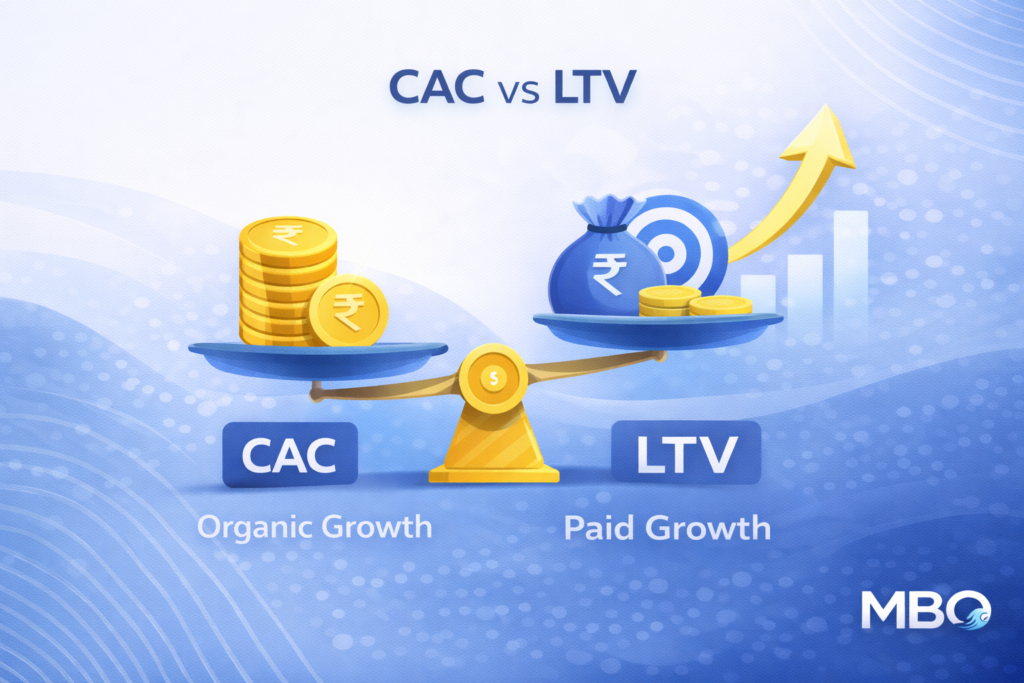
You can’t improve what you don’t measure. Here are the key metrics every startup needs to track:
- Customer Acquisition Cost (CAC) — How much you spend to acquire one new customer across all channels
- Conversion Rate — What percentage of visitors, leads, or trials convert to paying customers
- Lifetime Value (LTV) — How much revenue a customer generates over their entire relationship with you
- LTV:CAC Ratio — A healthy ratio is 3:1 or higher (you earn 3x what it costs to acquire a customer)
- Payback Period — How long it takes to recover your CAC from a customer’s revenue
- Churn Rate — What percentage of customers stop buying or cancel each month
If your CAC is too high relative to LTV, you have a profitability problem. Fix the funnel — improve your conversion rates, increase average order value, or find cheaper acquisition channels — before scaling up spend.
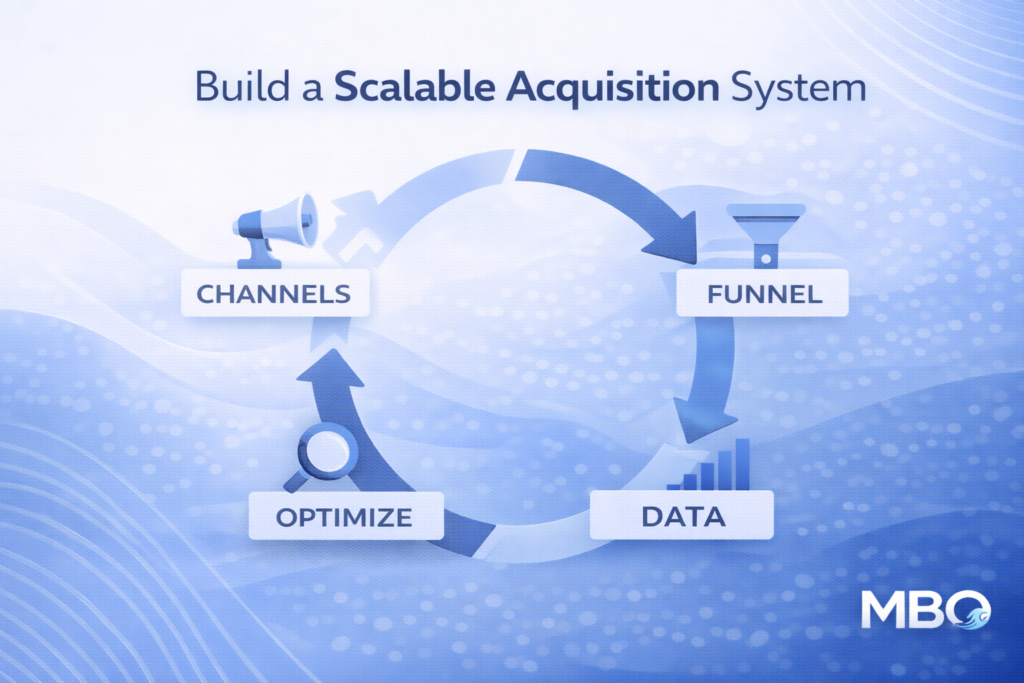
Building a Customer Acquisition System, Not Just Campaigns
The biggest shift in thinking for startup founders is this: customer acquisition is not a one-time campaign. It’s a system.
A strong acquisition system has:
- Multiple channels — so no single platform change destroys your growth
- Clear funnels — guiding prospects from awareness to conversion systematically
- Constant testing — always running experiments to improve performance
- Feedback loops — using customer data to sharpen targeting and messaging
- Scalability — channels and processes that can grow as your budget grows
The startups that build this system early with limited resources are the ones that achieve sustainable growth.
Final Thoughts: Start Scrappy, Scale Smart
If you’re a startup trying to crack customer acquisition, here’s the honest truth: you don’t need a massive budget. You need clarity, consistency, and the discipline to test fast and double down on what works.
Start with one or two channels that make the most sense for your audience and business model. Get really good at them. Then layer in more channels as you grow.
The founders who win aren’t the ones who know every marketing trick in the book. They’re the ones who stay focused, learn fast, and build systems that work while they sleep.
Pro Tip: At Marketing Blue Ocean (MBO), we help startups and growing brands build high-performance customer acquisition engines — from strategy and creative to paid media and analytics. Whether you’re acquiring your first 100 customers or scaling to your next 100,000, we’ve got the tools, the team, and the track record to make it happen. Let’s build something great together.